
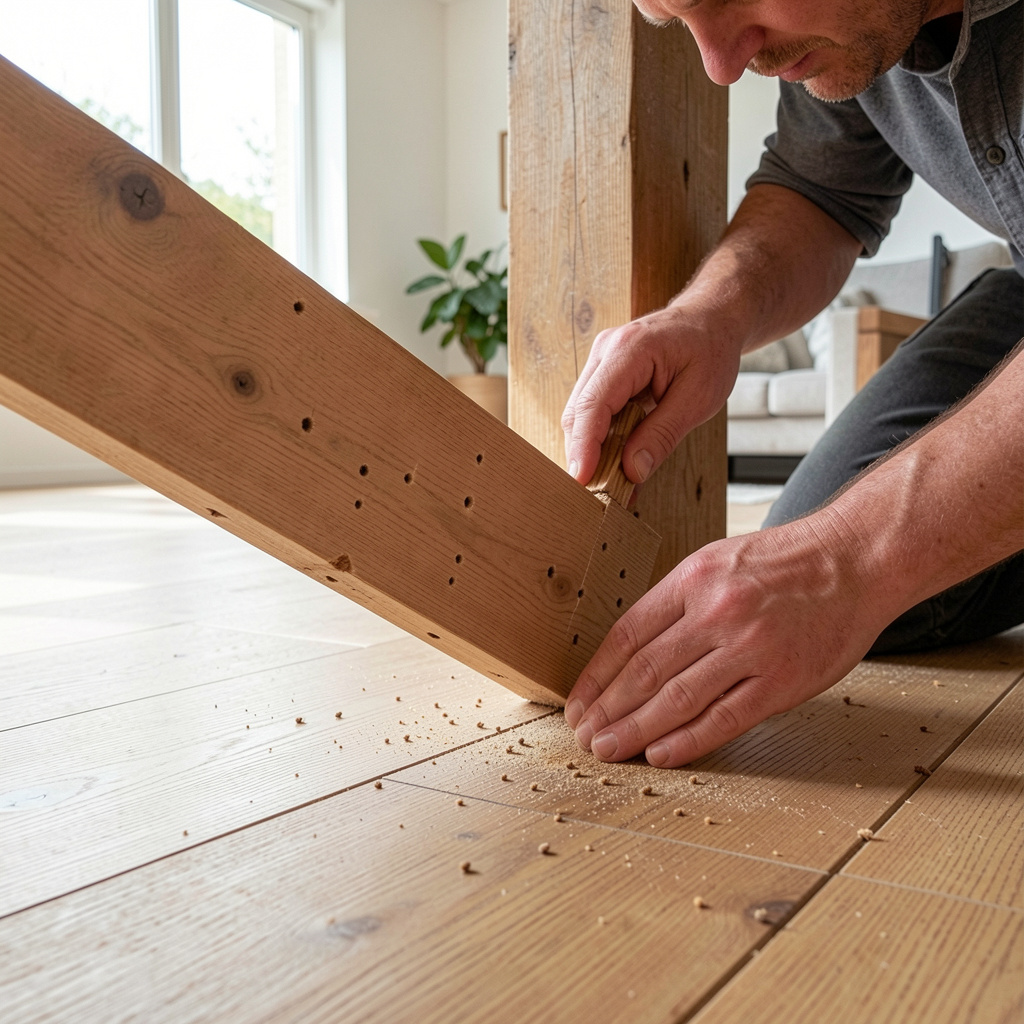
After investing time and money into woodworm treatment, many homeowners ask an important question: Can woodworms return after treatment? The short answer is yes — woodworms can sometimes return, but this does not always mean the original treatment failed.
In many cases, woodworm returns because the conditions that attracted the infestation in the first place were never fully corrected. Damp timber, poor ventilation, untreated wood, and hidden structural problems can all create an environment where new beetles may eventually return and lay eggs again.
The good news is that reinfestation is often preventable. Proper treatment, regular inspections, moisture control, and preventive care greatly reduce the chances of woodworms coming back.
Many homeowners researching timber care through shashel.eu/ often want to understand whether treatment offers permanent protection or if future maintenance is still necessary.
In this guide, we will explain why woodworms may return after treatment, how to tell if infestation is active again, and the best ways to prevent reinfestation.
What Is Woodworm?
Before discussing reinfestation, it helps to understand what woodworm actually is.
Despite the name, woodworm is not a worm.
Woodworm refers to the larvae of wood-boring beetles that feed inside timber.
Adult beetles lay eggs in:
- Cracks in wood
- Exposed timber
After hatching:
- Larvae tunnel through timber
Eventually, adult beetles emerge through tiny holes.
Woodworm commonly affects:
- Furniture
- Roof beams
- Floorboards
- Structural timber
Because larvae remain hidden inside wood:
Damage often develops quietly
Yes, Woodworms Can Return
Even after successful treatment:
Woodworms may sometimes return
However, there are important reasons why this happens.
Reinfestation Does Not Always Mean Treatment Failed
In many cases:
- New beetles enter later
- Conditions still favor infestation
Understanding the cause matters.
Damp Timber Encourages Reinfestation
Moisture is one of the biggest reasons woodworms return.
Why Dampness Matters
Woodworm prefers timber that is:
- Damp
- Soft
Common Moisture Sources
Watch for:
- Roof leaks
- Pipe leaks
- Condensation
- Poor ventilation
If moisture remains:
Wood becomes vulnerable again
Dry timber naturally reduces risk.
Many homeowners exploring timber protection through shashel.eu understand that moisture control is one of the most important steps for long-term prevention.
Poor Ventilation Increases Risk
Poor airflow traps humidity.
High-Risk Areas
Woodworm often returns in:
- Attics
- Roof spaces
- Basements
Why Ventilation Matters
Healthy airflow helps:
- Keep wood dry
- Reduce humidity
Better ventilation discourages beetles naturally.
Dry spaces reduce infestation risk.
Untreated Nearby Timber Can Cause Problems
Sometimes treatment only focuses on visible damage.
What Happens
Nearby untreated wood may still contain:
- Larvae
- Eggs
Over time:
Infestation may spread back
A full inspection improves treatment success.
Hidden timber deserves attention too.
Old Holes Can Cause Confusion
Many homeowners believe woodworm returned when it actually has not.
Why This Happens
Old exit holes remain visible for years.
This may look like active infestation.
Signs of Old Damage
Older holes often:
- Appear darker
- Show no fresh dust
Professional inspection may confirm whether activity continues.
Not every hole means active woodworm.
New Beetles Can Reinfest the Home
Woodworm beetles may enter from outside.
How Reinfestation Happens
Adult beetles sometimes lay new eggs in:
- Roof beams
- Furniture
- Floorboards
This creates:
- Fresh infestation
Regular inspection helps catch problems early.
Poor Quality Treatment May Lead to Problems
Not all treatments provide equal results.
Why Treatment Sometimes Fails
Possible reasons include:
- Hidden larvae surviving
- Surface-only treatment
- Incomplete coverage
Professional assessment improves long-term success.
The right treatment matters.
Can Microwave Treatment Reduce Reinfestation?
Microwave technology is becoming increasingly popular.
How Microwave Treatment Helps
Microwave energy destroys:
- Eggs
- Larvae
- Adult insects
Why It May Improve Results
Microwave heat penetrates wood internally.
This helps reach:
- Hidden infestation
Deep treatment may lower reinfestation risk.
Many homeowners researching advanced timber care through shashel.eu increasingly prefer microwave treatment for hidden woodworm activity.
Signs Woodworms May Have Returned
Watch for warning signs such as:
Fresh Powdery Dust
Fresh dust often signals active feeding.
New Holes Appearing
New exit holes may indicate recent activity.
Weak Timber
Wood may become softer or unstable.
Beetle Activity Indoors
Repeated beetle sightings deserve attention.
Never ignore early signs.
Fast action protects timber.
How Long After Treatment Could Woodworms Return?
There is no exact timeline.
Some Homes Stay Protected for Years
Good conditions reduce risk significantly.
Others Experience Faster Reinfestation
Especially if:
- Moisture remains
- Ventilation stays poor
Prevention strongly affects long-term success.
Healthy timber lasts longer.
How to Prevent Woodworms from Returning
Keep Timber Dry
Dry wood discourages beetles.
Improve Ventilation
Healthy airflow reduces humidity.
Inspect Timber Regularly
Frequent checks reveal early warning signs.
Repair Leaks Quickly
Moisture encourages reinfestation.
Treat Vulnerable Wood
Preventive maintenance matters.
Small habits greatly reduce risk.
Schedule Routine Inspections
Professional inspections help identify hidden problems.
Experts Can Detect
- Early infestation
- Moisture problems
- Hidden structural issues
Routine checks improve long-term protection.
Early action saves money.
Common Mistakes Homeowners Make
Assuming Treatment Means Permanent Protection
Prevention still matters.
Ignoring Moisture
Dampness encourages future infestation.
Skipping Inspections
Hidden activity may go unnoticed.
Treating Only Visible Areas
Nearby timber may remain vulnerable.
Balanced care improves results.
Conclusion
So, can woodworms return after treatment? Yes, woodworms can sometimes return, especially if moisture problems, poor ventilation, untreated timber, or favorable conditions remain. However, reinfestation does not always mean treatment failed.
In many cases, proper prevention and regular maintenance can significantly reduce the chances of woodworms coming back. Moisture control, ventilation, inspections, and effective treatment methods all play an important role in protecting timber long term.